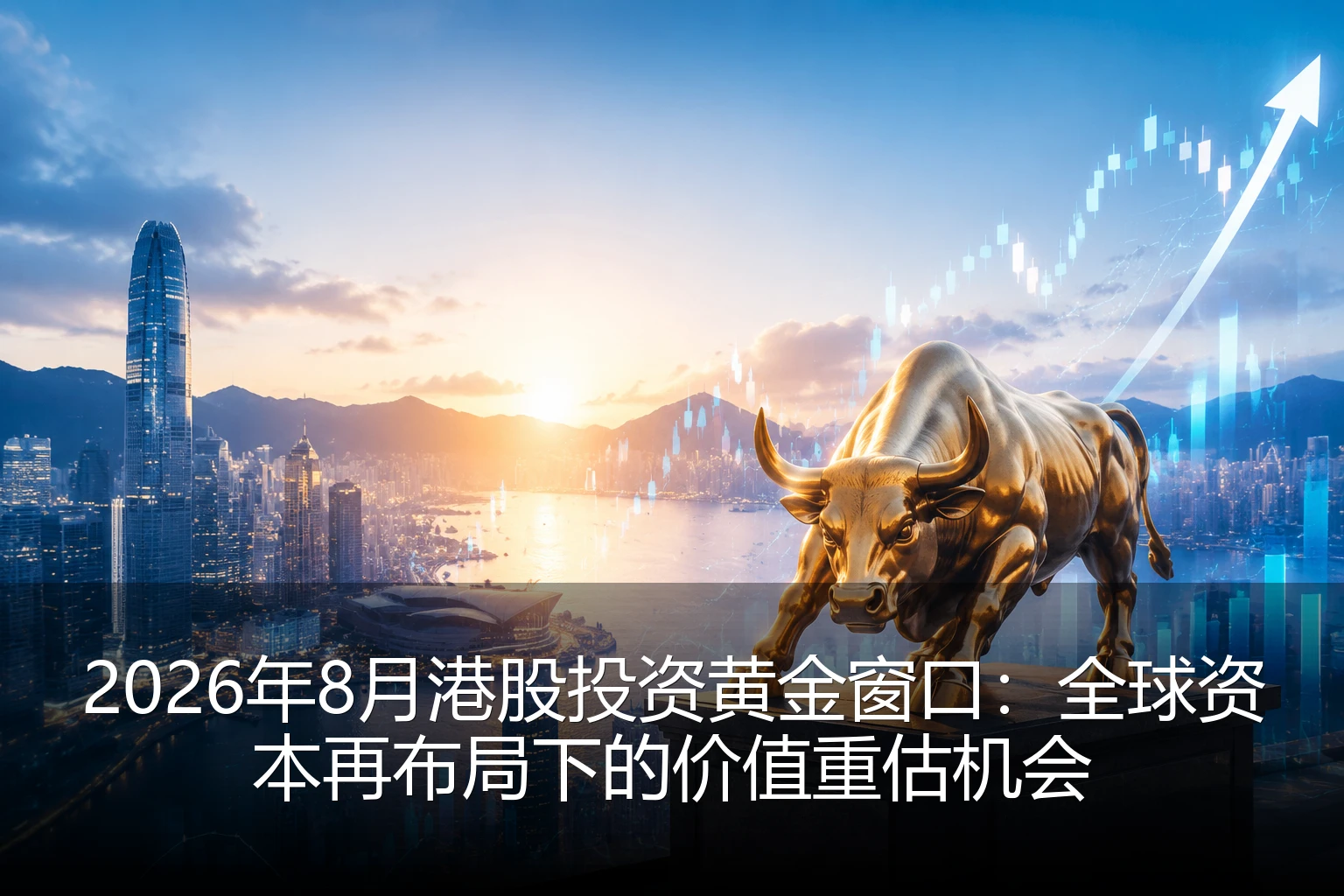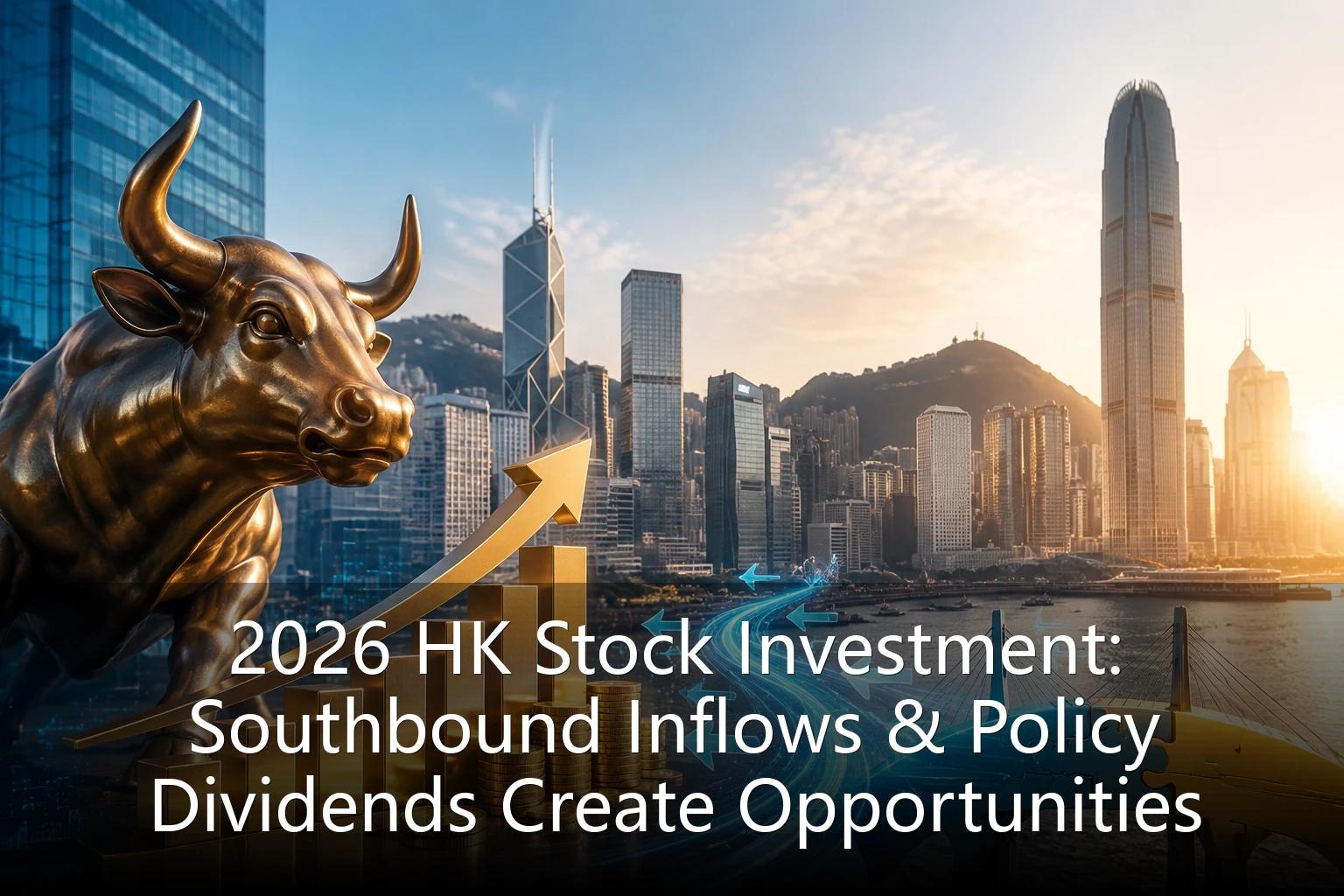
On July 30, 2026, the Hong Kong stock market demonstrated strong investment appeal against the backdrop of sustained southbound capital inflows, deepened connectivity mechanisms, and multiple policy dividends. As of the close on July 29, the Hang Seng Index had gained over 12% year-to-date, the H-shares Index rose 15%, and the Hang Seng Tech Index surged 22%. Meanwhile, southbound funds recorded net buying for the 18th consecutive trading day, with July cumulative net inflows exceeding HKD 80 billion, a new monthly high this year. Industry insiders noted that Hong Kong stocks, with core advantages such as low valuation, high dividends, the rise of new economy sectors, and active IPOs, are becoming a preferred channel for global investors to allocate Chinese assets.
1. Sustained Southbound Fund Inflows: Mainland Capital Becomes Key Support for HK Stocks
Since the beginning of 2026, southbound capital via the Stock Connect has maintained a net inflow trend. As of July 29, cumulative net buying for the year exceeded HKD 450 billion, far surpassing HKD 320 billion in the same period of 2025. On July 29 alone, net buying via southbound flows reached HKD 6.87 billion, with HKD 4.12 billion via the Shanghai-Hong Kong Stock Connect and HKD 2.75 billion via the Shenzhen-Hong Kong Stock Connect. From a capital flow perspective, technology, finance, and energy sectors have been the main targets of southbound allocations, with stocks such as Tencent Holdings (00700.HK), Meituan-W (03690.HK), and CNOOC (00883.HK) receiving the largest net inflows.
Analysts pointed out that the sustained southbound inflows reflect significantly increased demand from Mainland investors to allocate to the HK stock market. On one hand, HK stocks are more attractively valued relative to A-shares, with the Hang Seng Index currently trading at a P/E ratio of about 9.8x, lower than the CSI 300's 12.5x. On the other hand, Hong Kong stocks host a large number of high-quality new economy leaders in areas such as internet, biotech, and new energy, filling gaps in certain sub-sectors of the A-share market. Additionally, ongoing optimizations to the Mainland-HK stock connect mechanisms, such as expansion of eligible stocks and increases in trading quotas, have facilitated southbound flows.
2. Continuous Policy Dividends: Deeper Connectivity Mechanism and International Board Prospects
In July 2026, the HK stock market welcomed several policy benefits. On July 15, HKEX announced further optimization of the Shanghai-Shenzhen-Hong Kong Stock Connect trading mechanism, raising the daily quota for southbound trading from HKD 42 billion to HKD 50 billion, while expanding the scope of eligible stocks to include more qualifying small-cap stocks. This move is expected to significantly boost participation by southbound investors, especially benefiting small- and mid-cap growth stocks. On July 20, Mainland regulatory authorities stated they would actively promote more Mainland companies to list in Hong Kong and study the introduction of an International Board to attract global tech companies for secondary or dual-primary listings in Hong Kong.
The Chief Executive of the Hong Kong SAR previously stated in the policy address that the city would consolidate and enhance its status as an international financial hub, aiming to facilitate at least 100 new economy companies to list in Hong Kong by the end of 2026. Industry insiders believe that continued policy support will not only increase the depth and breadth of the HK stock market but also further strengthen investor confidence. Under the Stock Connect mechanism, Mainland investors can directly trade Hong Kong stocks without foreign exchange controls, providing flexible and convenient asset allocation channels for both individuals and institutions.
3. Core Advantages of HK Stocks: Low Valuation, High Dividends, and the Rise of New Economy
3.1 Low Valuation Provides Margin of Safety
Currently, the Hang Seng Index's P/E ratio is about 9.8x and its P/B ratio is approximately 0.95x, both at historically low levels. Compared with major global markets, Hong Kong stocks are significantly undervalued. For example, the S&P 500 has a P/E of about 21x, the Nikkei 225 about 18x, and the Euro Stoxx 600 about 15x. Low valuations not only imply lower entry costs but also provide a higher margin of safety, especially amid rising global economic uncertainty, making the defensive attribute of undervaluation more prominent.
3.2 High Dividends Attract Long-Term Capital
The Hong Kong market is known for high dividend yields. The average dividend yield of Hang Seng Index constituents is about 4.2%, well above the 3% for A-shares and 1.5% for the S&P 500. Some individual stocks in banking, real estate, and energy sectors even offer yields exceeding 6%. In a low-interest-rate environment, high-dividend strategies have become an important means for institutional and individual investors to generate stable cash flows. Among southbound flows, many long-term funds such as insurers and pension funds allocate to HK stocks based on dividend income.
3.3 Rise of the New Economy Sector
In recent years, HKEX has attracted numerous new economy companies through listing reforms, including pre-revenue biotech firms, internet companies with weighted voting rights, and Chinese concept stocks for secondary listings. Currently, HKEX is the world's second-largest biotech listing venue with over 50 biotech companies. Constituents of the Hang Seng Tech Index include giants such as Tencent, Alibaba, Xiaomi, Meituan, and Kuaishou, as well as new economy representatives like JD Health and Baidu. In the first half of 2026, the total market cap share of HK's new economy sector exceeded 35%, becoming the core driver of index gains.
4. Active IPO Market: Quality New Listings Bring Investment Opportunities
In July 2026, the HK IPO market continued the strong momentum seen since the start of the year. On July 28, SmartDrive, the largest autonomous driving technology company in China, listed on the Main Board of HKEX at an IPO price of HKD 32 per share, closing the first day up 18% with a total market cap exceeding HKD 40 billion, making it one of the year's largest IPOs. Additionally, several biotech and new energy companies were successfully listed this month, including Tianquan Bio and Green Energy Technology, with first-day gains exceeding 10%.
According to HKEX data, the number of new listings in the first seven months of 2026 reached 68, up 33% from 51 in the same period of 2025; total funds raised exceeded HKD 120 billion, an increase of 27% year-on-year. In terms of subscription, institutional investors showed high enthusiasm, with many new issues receiving oversubscription of more than 10 times. For Mainland investors, the Stock Connect mechanism allows participation in subscriptions of certain eligible new stocks and early profit-taking through dark pool trading.
5. Institutional Views and Market Outlook
Multiple international investment banks are optimistic about the outlook for Hong Kong stocks. Morgan Stanley stated in a recent research report that current valuations are attractive, and sustained southbound inflows along with policy support will drive the HK market higher in the second half of 2026, setting a year-end target of 25,000 points for the Hang Seng Index. Goldman Sachs noted that the expansion of eligible stocks would attract more capital to small- and mid-cap growth stocks, recommending investors focus on leading sub-sectors within the new economy.
Among Mainland institutions, CITIC Securities believes that the HK market benefits from expectations of economic recovery in Mainland China and the internationalization of the renminbi, highlighting strong medium- to long-term allocation value. Particularly in areas such as tech hardware, AI, and new energy, Hong Kong stocks offer unique high-quality targets. Investors may consider Hang Seng Tech Index ETFs and select stocks to diversify risks and capture sector rotation opportunities.
Looking ahead to the second half of 2026, the HK market still has multiple catalysts: first, if the US Federal Reserve begins an easing cycle, global liquidity pressures will ease, benefiting capital inflows into emerging markets; second, HKEX's planned International Board is expected to attract more global tech companies to list, enhancing market appeal; third, continued steady growth policies in Mainland China will improve corporate earnings, supporting HK stock performance. At the same time, investors should be mindful of geopolitical risks, US-China tensions, and the high volatility of Hong Kong stocks, and manage positions and risks prudently.
6. Conclusion
In 2026, the Hong Kong stock market presents a favorable combination of low valuations, high dividends, a rising new economy, and multiple policy dividends. Sustained southbound fund inflows further strengthen market confidence. For domestic investors, the opening of Stock Connect has significantly enhanced convenience in investing in Hong Kong stocks. Whether from the perspective of risk diversification, pursuing absolute returns, or capturing growth dividends from the new economy, Hong Kong stocks are set to become an indispensable part of asset allocation. Based on value investing and rational decision-making, the Hong Kong stock market is opening a new gateway to wealth for global investors.